
In a world where body types have become trends and people’s bodies, faces, and personalities have been reduced to figures on a number line, ass is king. The slim-thick era, which started with the Instagram Baddie boom of the late 2010s, is gradually ending and making way for the return of the heroin-chic look. However, like a dying star, the BBL phenomenon is burning quite brightly as it nears its end. In the current social climate, where everyone wants to be hot-girl-summer-ready, the BBL is the most prized addition to a hot girl’s beach bag. On TikTok, trends and aphorisms like ‘The body is the outfit’ place a premium on having a snatched body with a mind-boggling hip-to-waist ratio. It doesn’t matter how you get it— under weights at the gym or under the knife—all’s fair in love and war, babes. And the love of the body is a war of sorts.
Let’s start at the top.
What really is a BBL, and how did it come into existence?
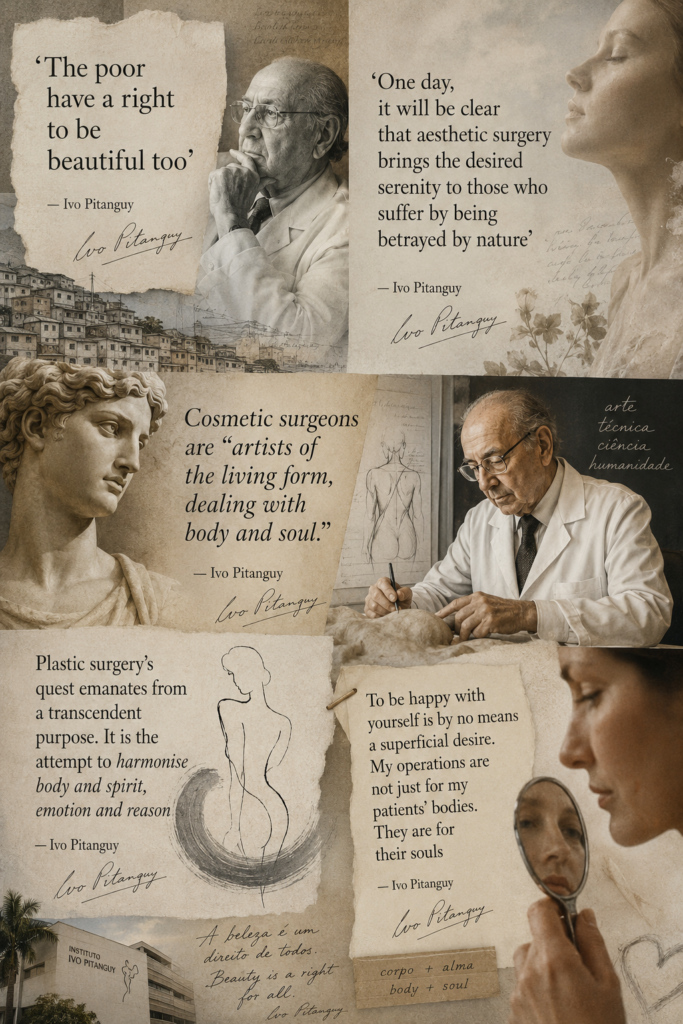
A Brazilian Butt Lift (commonly known as a BBL) is a form of gluteoplasty that originated in Brazil and was pioneered by Brazilian surgeon Ivo Hélcio Jardim de Campos Pitanguy in the 1960s. Ivo adopted a very philosophical and kind approach to cosmetic surgery, believing it could improve a patient’s self-esteem and quality of life. He argued for a ‘human right to beauty’ and believed the poor had a right to be beautiful too. The arson at a circus in Niterói on December 17, 1961, fueled Ivo’s philosophy. An inferno engulfed a circus tent, trapping thousands of spectators inside. The incident killed 503 people and left over 800 survivors with severe burns.
Pitanguy, along with his team, treated hundreds of burn victims in the weeks that followed. His moment of epiphany came when a young male survivor, seeing his scarred face in the mirror, declared, ‘I’d rather be dead.’ We often parrot platitudes like ‘Beauty is skin-deep’ or ‘Beauty is in the eye of the beholder.’ But through his experience treating the burn victims, Ivo realized that these aphorisms can sometimes just be lip service, as physical appearance plays a crucial role in psychological well-being and social acceptance. Thus, he decided to make plastic surgery accessible to poorer Brazilians.
Away from the BBL, Pitanguy singularly advanced techniques in reconstructive and aesthetic surgery, like breast reconstruction, rhinoplasty, facelifts, body contour surgery, and tummy tucks. His contributions were so diverse and far-reaching, a phenomenon that was laudable, as multi-specialism is quite rare in medicine. Thanks to his multidisciplinary expertise, Pitanguy became known as the ‘Michelangelo of the Scalpel,’ the ‘Pope of Lifting,’ the ‘Philosopher of Plastic Surgery’ and the ‘Botticelli of the Breast.’ He made so much money from performing facelifts, tummy tucks, and breast enlargements for the rich and famous that he bought himself a private jet, a flat in Paris, a chalet in Gstaad, and a private island called Ilha dos Porcos Grande (the Isle of Big Pigs). However, in his teaching clinics—Clínica Ivo Pitanguy and Santa Casa da Misericórdia Hospital—he and his students worked pro bono on patients who could not afford reconstructive surgery for burns, cleft palates, and deformities.
But enough of Pitanguy’s philosophies and altruism. How did his creation, the BBL, become popular, especially seeing as big bums were not really a marker of beauty in the beige color swatch of Western beauty standards?
The Miss Bum Bum Competition
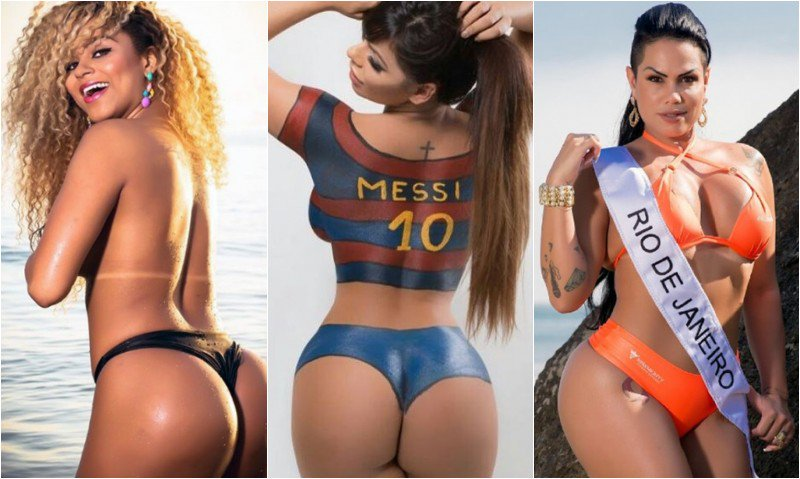
The Brazilian Miss Bum Bum competition was the stage where the BBL officially debuted. The contest, which began in 2011, is a highly publicized annual Brazilian beauty pageant that crowns the woman with the most impressive derriere. It emphasizes fitness, training, and strict diets. To prevent cheating, the contest requires X-rays and scans to ensure contestants have natural figures and do not use illegal buttock implants.
This is where the BBL comes in.
Unlike silicone implants, the BBL butt is achieved with fat native to a person’s body, so X-rays and scans do not pick it up. This makes it the perfect way for contestants to eat their cake and have it, pun intended. Like all good Brazilian exports—from Pele, Neymar, and coffee to Capoeira and caipirinha—the BBL gained international recognition and quickly became a fan favorite. While many other stars could have gotten BBLs and kept mum about it, in the United States of America, the Kardashians were the official poster children for the BBL.
I never really watched reality TV growing up, but news about the Kardashians is like your shadow, following you no matter how much you try to evade it. Through whispered conversations in class and brief scenes of KUWTK on a neighbor’s TV screen, teenage-me knew the world was obsessed with Kim and the (un)realness of her ass. In one episode, Kim gets a scan to prove once and for all that her ass is 100% real. The video was a sleight of hand, to say the least.
Besides the fact that no sane doctor would allow a patient to get an X-ray while wearing a watch, like Kim was in the video, we know that scans only pick up implants, not transferred fat. However, back then, social media denizens had not developed a sharp cosmetic surgery VAR. Gradually, the truth came to the fore, and the BBL, which was later listed as one of the most dangerous surgeries in the world, became the most sought-after cosmetic procedure.
The BBL recalibrated our perception of possibility. Previously, the only way to get the ‘perfect body’—without spending years in the gym—was to wear spandex and butt pads. With the BBL, women did not need to hang up their perfect bodies when the day ended; they could have their dream bodies at all times, while clothed or in the nude.
Pop culture and the hypersexual music scene fanned the flames of the BBL craze. Songs about big nyash, bundas, and batties became top summer songs, giving ass a unique social currency. It determined who got roles in the showbiz industry, the kind of romantic prospects that came one’s way, who got into clubs, and the social pull one commanded. To keep up with the Joneses—or should I say the Kardashians—the average woman began getting BBLs. Over time, different types of BBLs spawned.
Skinny BBLs. Liquid BBLs. Mini BBLs.
Oh, and don’t get me started on Christian BBLs
And it is at this point that Nigeria enters the group chat
Enter Nigeria

Nigeria is a consumerist nation, a trend follower that picks up established premises and trends and runs with them (most of the time) without forethought or careful deliberation. Like the bone-straight craze of the late 2010s, the BBL is now a cultural phenomenon in +234. In the early 2000s, the pinnacle of Nigerian beauty was the Delta Soap Girls. Delta Soap was a subsidiary of the Orange Group (formerly known as Orange Drugs Nigeria Ltd). The models for their adverts were usually light- or brown-skinned girls with even, unspoiled complexions. Back then, beauty was a game of face cards and light-skinned supremacy. While this era of Nigerian beauty culture had its problems, it was very inclusive of bodies. In Nollywood, for example, we had:
- Svelte beauties in the persons of Genevieve Nnaji, Nkiruka Sylvanus, Lilian Bach, Rita Dominic, and Caroline Ekanem (also later known as Caroline Danjuma and Carolyna Hutchings)
- Voluptuous goddesses in the persons of Mercy Johnson, Nadia Buari, Omotola Jalade-Ekeinde, and Ini Edo
- Athletic queens like Kate Henshaw and Stephanie Okereke
But everything changed when big butts became the rage. Now, all our actresses look like they were made at the same factory. Expensive wigs, flawless fair skin, veneers that look like bathroom tiles—and of course, a snatched body with an obnoxiously large derriere. This cookie-cutter, mass-produced, fast-fashion-esque body has also affected casting. Everyone—from Madam and her house help to the Princess of Awada Kingdom and the poor girl living on the outskirts of the village—has a BBL now.
There’s a lot of rhetoric flying around about why women get BBLs. Some say it is for male attention and validation, to attract (deep sigh) high-value romantic options or worse, paying customers. Others believe body dysmorphia (all its variants, but especially the social media-induced version) is at fault. Another group considers it from an angle of empowerment, that BBLs, much like going to the gym and eating right, are a rite of self-improvement. Yet another group believes some get it to be upwardly mobile, especially if the candidate works in the entertainment sector. The truth is, there is no one right answer.
For some women, the answer is at the intersection of two or more of the listed reasons. However, the oft-unacknowledged truth is that some women get it not because of the body itself but because of what it represents. The paradox of Nigeria is that, as a nation, we are simultaneously multidimensionally poor and fundamentally elitist. In this antithetical reality, perceived wealth and its trappings elevate one above the poor masses. In a sense, like the GLEs, Lekki/Maitama addresses, lace-front bone-straight wigs, and sprawling mansions in the village, the BBL is fast becoming a class divider. A line that separates the ‘haves’ and the ‘have-nots.’ If it were only about body image and positivity, many celebrities and public figures wouldn’t make their surgery and recovery process an entire production. Admittedly, in some corners of the internet, the BBL still has negative implications, as evidenced by phrases like the ‘BBL smell’ and the derogatory alias ‘BBL Bandit.’ However, people are slowly acclimatizing to that look and expecting natural women to have that BBL baddie look.
To BBL or Not To BBL

Most arguments I have seen about why women shouldn’t get BBLs focus on the optics of the choice, rarely on the underlying ethics. At the forefront are those who believe BBLs do not look nice. Some say they generally look exaggerated, or that the bunda-to-thigh ratio makes women look strangely ant-like. Others point to the asymmetry of certain botched BBLs. A third group focuses on how women with bodies like these are sexual and are only good to drive into the mattress and not drive home to Mama. A final group tags the BBL baddies as lazy, stating that the same results can be achieved in the gym.
In response, I have four rebuttals.
First, hating/disliking/canceling or decrying something solely because of how it looks is not enough to convince people of its harmfulness.
Why? Because it passes a subliminal message that once the outcome is good, the act is justified. You see this optics-focused line of thought when people condemn indecent dressing. Instead of centering the discussion on the ills and dangers of illicit dressing, it shifts to how unpalatable the body looks in those clothes.
‘Oh, see as her belle big, and she dey show am.’
‘You still dey wear short skirt with all the thunder wey dey your laps so?’
‘Mama dey expose breast wey don fall kpata kpata.’
What this does is tell the accused that their body, not the dressing, is the problem. Thus ingraining the belief that if the body is palatable enough, the act (of dressing indecently) becomes permissible. Similarly, when we make arguments against the BBL from an optics POV rather than emphasizing its physical, medical, and psychological dangers, we risk people finding ways to achieve perfect outcomes to satisfy the optics-focused hounds. These methods may include going for multiple rounds to correct ‘flaws,’ tagging theirs a ‘Christian BBL,’ or selling 21-day booty-building workout plans while advertising a surgeon-crafted ass.
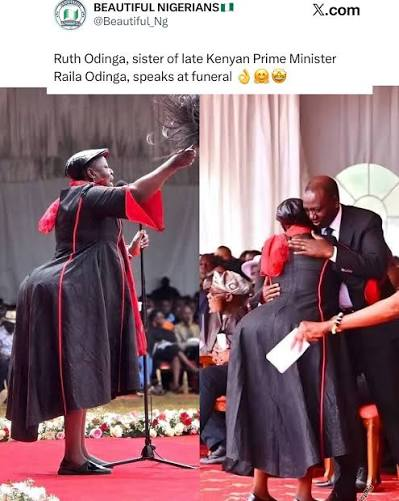
Secondly, I have observed that in most aspects of life—relationships, education, employment, the discovery of purpose, and the body—fiction often mimics real life. Here, the fiction of the BBL mimics the reality of a person’s body. Someone somewhere in the world has a natural body that looks like a ‘botched BBL.’ There are women with natural bodies who have exaggerated bums on which a stack of books can be balanced. Women living with steatopygia—a condition that leads to thick thighs, curvy hips, and a 90-degree bum—like Sarah ‘Saartjie’ Baartman, Kenyan member of parliament Ruth Odinga, and online personality Jakeyrria (also known as Miss Bunk Beds) are perfect examples of this. There are women with natural bodies who balance massive derrières on very slender legs. I had a classmate with the same build. Asymmetry (in the glutes, mammary glands, and face) exists in real life. No two buttcheeks or boobs look and hang exactly the same. Fiction mimics real life. When we focus on how ‘ugly,’ ‘malformed,’ disproportionate,’ or ‘unwieldy’ some BBLs look, does that mean it is morally acceptable when it’s a mini BBL and looks more ‘natural’? Is it morally permissible when the outcome looks ‘perfect’ and proportionate? What message does this inadvertently pass to women with natural bodies that look like this?
This discussion on natural bodies that look a certain way brings me to my third rebuttal. In black communities, an overdeveloped body on a woman is often touted as an indicator of her inherent promiscuity. I heard this a lot growing up. When a girl suddenly gets double Ds two years after her menarche, accusations begin to fly. Some say her breasts grew so big because boys have been fondling them. Everything they wear is classed as indecent, forgetting that, much like a beautiful face, a voluptuous and shapely body will always announce itself regardless of whether it is poured into Lycra or swaddled in shapeless clothes.
Older women pick on you—and call you loose—because they see their partner’s eyes skittering over your blooming body like spiders.
Adjectives like loose, indecent, and fast become almost synonymous with your name.
When society interprets your body through the braille of sex, it dehumanizes you and reduces you to an object of pleasure, which makes romantic relationships doubly difficult. I have seen multiple people online and offline say they cannot bring a woman with a ghetto body/ghetto booty (voluptuous curves) home to Mama, that she is only good for one thing: sex. With BBLs on the rise and the negative stereotypes associated with them, women with similar-looking natural bodies suffer, too. When we say a girl with a BBL body is not worthy of marriage and courtship—and is only fit for the horizontal Konpa—what message are we passing to women who were born with such bodies?
In this discussion about bodies—be they natural or artificial—it is important to remember that we are more than the meat suits we come in. A woman is not pious and pure because she is slender, as flat as a board, and has clavicles that can hold multiple cups of water. A woman is not indecent because she has curves that would make the Enugu-Opi Nsukka road seem straight in comparison. Body types are not avatars of personality and character.
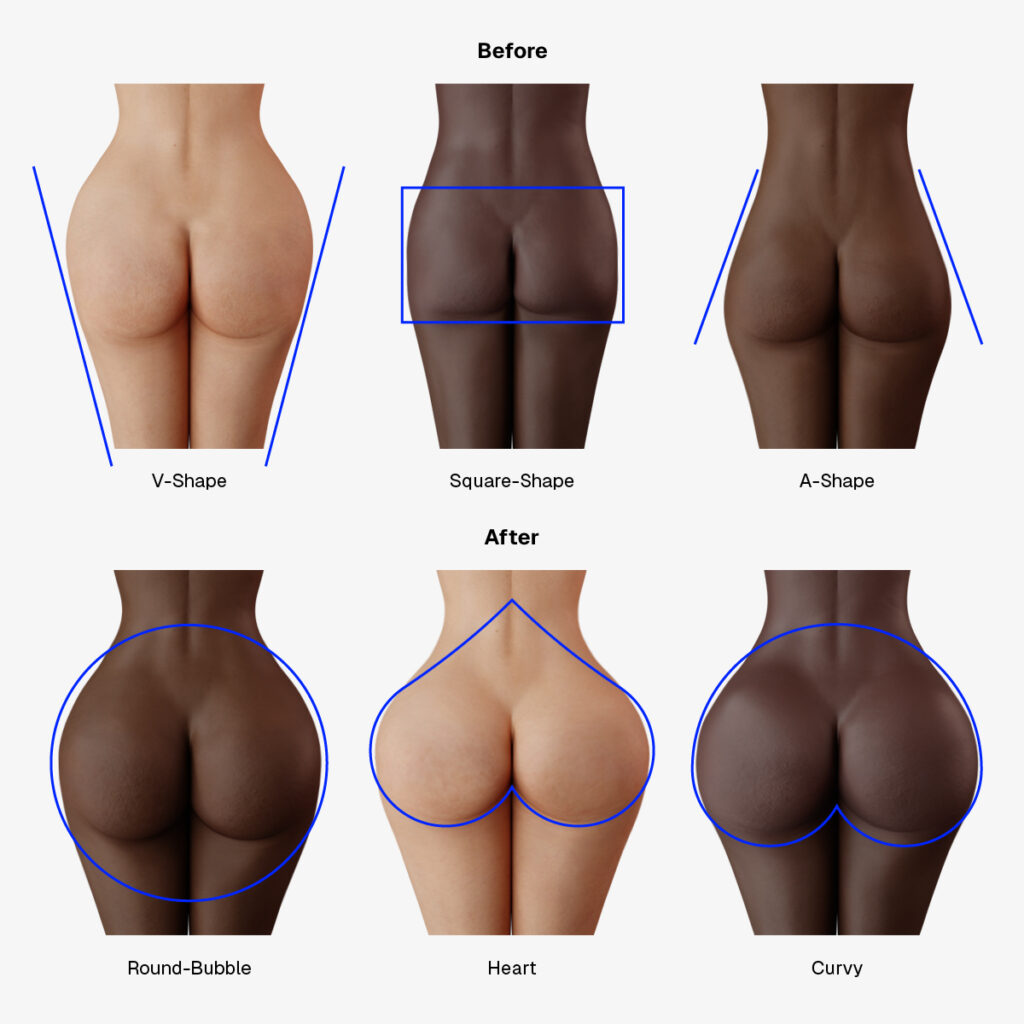
Finally, the get-it-in-the-gym argument. I’ll hold your hand when I say this: You cannot get a big bum in the gym any more than you can get it from a bum-enhancing cream. Genetics determines where we store the most fat. Some people store it in their breasts, hips, and bums, and others store it in unwanted places like their backs, bellies, and cheeks. The gym helps you build a fitter and more toned version of your body type. So, an apple-shaped woman, hoping to weightlift her way into a pear-shaped or hourglass body type, is in for a disappointing surprise.
So which arguments should we be making?
First, the fatality rates. When I think of surgery fatality rates, I remember Stella Obasanjo, the ex-first lady of my country. Twenty-one years ago, newspapers were filled with obituary announcements of the death of the First Lady. However, the circumstances of her death took precedence. You see, Stella Obasanjo had died following complications after a cosmetic surgery procedure. Some sources said the procedure was to help her ‘lose weight.’ However, most Nigerian newspapers stated she had died from complications following a tummy tuck. Her husband later confirmed that she had died following complications from an abdominoplasty and body sculpting in preparation for her 60th birthday on the 14th of November.
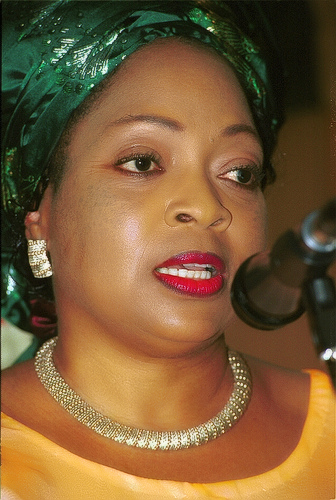
While her husband grieved publicly for her, there was barely any compassion for Stella in the media and on the streets. Stella was unspeakably beautiful, as most Edo women are. She did not look like a sexagenarian. She could conveniently pass for forty. So people did not understand why a 59-year-old was so image-obsessed that she needed to reconstruct her belly. Some held her up as a cautionary tale about the fate that awaited ‘narcissistic,’ beauty-obsessed women. Some people even accused OBJ of sacrificing her to a deity for continued political success. I was only seven; however, the events surrounding Stella Obasanjo’s death became a core memory for me—and tummy tucks became synonymous with death. Naturally, when cosmetic surgery became mainstream, I still believed abdominoplasties were one-way tickets to the great beyond.
I was wrong.
With an astounding 1 in 3000 fatality rate, the BBL is the most dangerous cosmetic procedure. Abdominoplasties are a distant second, with a 1 in 10,000 to 13,000 mortality rate. In fact, the BBL is so dangerous that some notable plastic surgeons—like Botched’s Dr. Terry Dubrow and Dr. Paul Nassif—refuse to do it. Similarly, the UK Parliament and independent surgeons have also called for a ban on various permutations of the BBl and other high-risk procedures. Yet every day, people still research these surgeries, check out clinics, and travel to Turkey, Angola, and the DR for these procedures.
I believe the primary argument against the BBL is its safety quotient. Yes, all surgeries, cosmetic and otherwise, carry a mortality risk. However, the BBL is, a) not a life-saving surgery, b) particularly risky because of the strain it puts on the body and the possibility of a pulmonary fat embolism, a potentially fatal condition where fat enters the bloodstream and blocks the lungs. These risks led the British Association of Aesthetic Plastic Surgeons (BAAPS) to call for a halt to BBL procedures until more research could be conducted into their safety.
Life is such a precious gift, one that we should protect with all the resources available to us. We should not sacrifice it on the altar of trends. Today’s ‘bad body’ is tomorrow’s dream body. I remember a time when skinny was the rage and thigh gaps were the ninth wonder of the earth. Now, big butts are hallowed, and a Coke bottle shape is the next best thing after an internet connection. Life should not be mortgaged in receipt of something so capricious, finicky, and unpredictable. I know everyone thinks they’d be the exception, part of the 2,999 that scale through. However, 1 in 3,000 is too high a mortality rate. For context, the United Kingdom has a population of 69.5 million people. If everyone were to get BBLs, 23,167 people would die.
That…is…a…lot.
The thing with statistics is that it defaces real people, thus making gory numbers seem negligible. So let’s put a face to these mortalities, shall we?
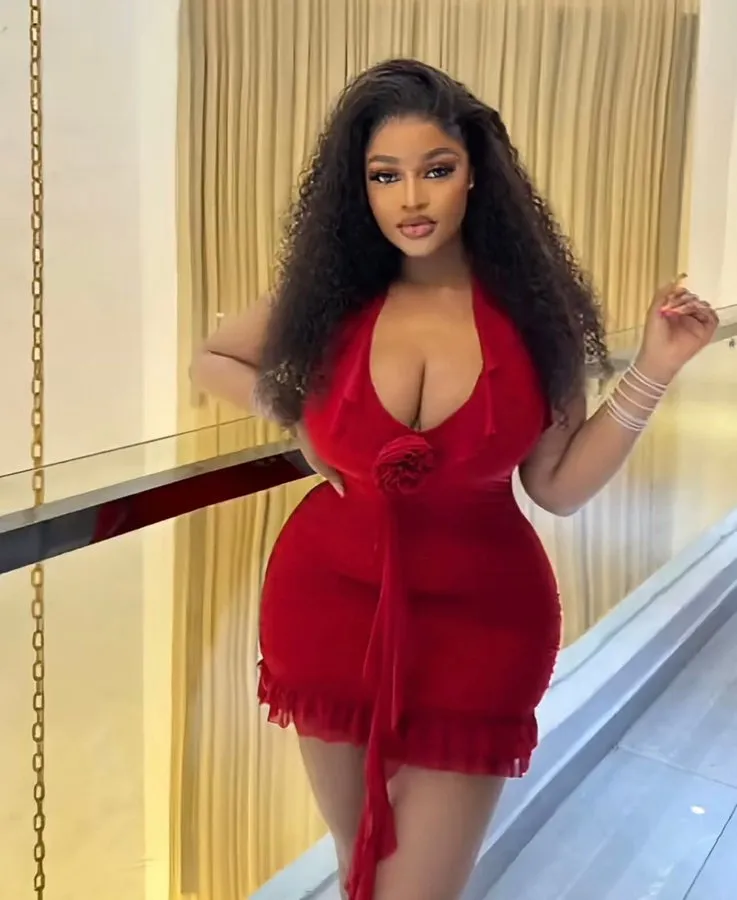
The most recent BBL fatality in the Nigerian social scene is Nigerian socialite Elena Jessica Nkwopara, popularly known by her Instagram moniker, Elena Jessica, who died in March 2026 following severe complications from a revision BBL procedure. Elena Jessica was a paragon of beauty and had already achieved a perfect figure thanks to a previous BBL. However, she wanted a second stab at it to correct some imperfections and asymmetry left over from the first surgery. After a consultation at a clinic, she was advised not to proceed with a second round due to concerns about skin integrity. However, the clarion call of perfection is often too difficult to ignore. Elena finally underwent a second procedure at Cynosure Aesthetic Plastic Surgery Hospital in Ikoyi, Lagos, a decision that ultimately cost her her life.

The second case is that of Demi Agoglia, a 26-year-old Salford-based mom of three, who died on 8 January 2024 in Istanbul, following a fat embolism from her BBL. Demi’s death was a textbook case of medical neglect, as it was later found that the nurses from Comfort Zone Hospital who were in charge of her aftercare were not qualified. Demi’s mother, Christine Tydd, begged Demi not to have the surgery, reinforcing that she (Demi) was ‘a good-looking girl and did not need the surgery.’ However, according to Christine, Demi had always been ‘conscious about the way she looked, and there was no changing her mind.’ Demi’s sister corroborates this sentiment when she describes Demi as ‘a beautiful, outgoing and very confident girl,’ stating that Demi has only gone through with the procedure for ‘the sake of her feeling like she wasn’t good enough in herself.’ After the surgery, Demi called her mom to say she had the bum she always wanted. The next day, Demi’s partner called to say Demi was gone.
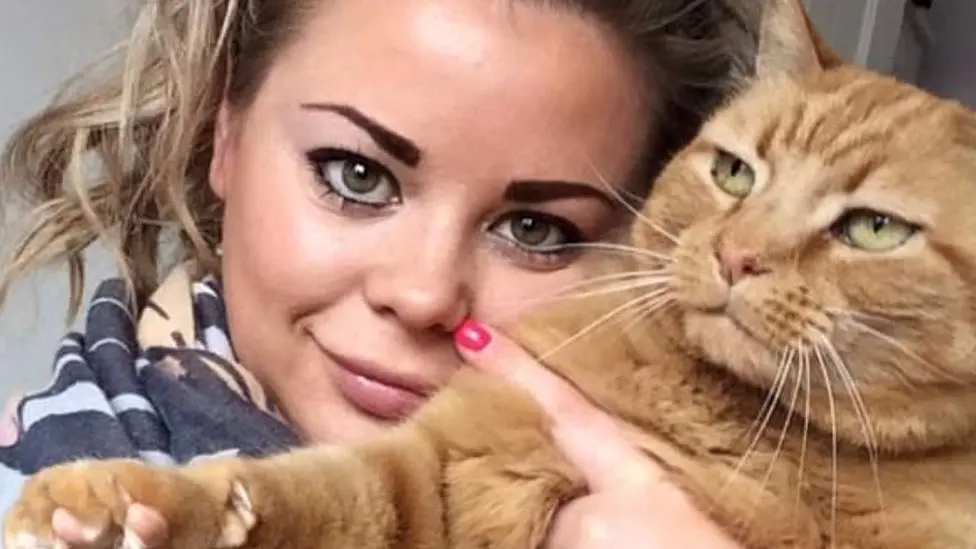
The third case is that of Melissa Kerr, a 31-year-old Norfolk-based psychological well-being practitioner. Much like Demi, Melissa died in Istanbul from a post-BBL fat embolism in November 2019. Natasha, Melissa’s twin sister, describes her as ‘being self-conscious about her appearance,’ further stating that Melissa, who had two master’s degrees, ‘became unhappy about her body because of weight gain and, after exhausting all other avenues, felt there was no other option than to have surgery.’
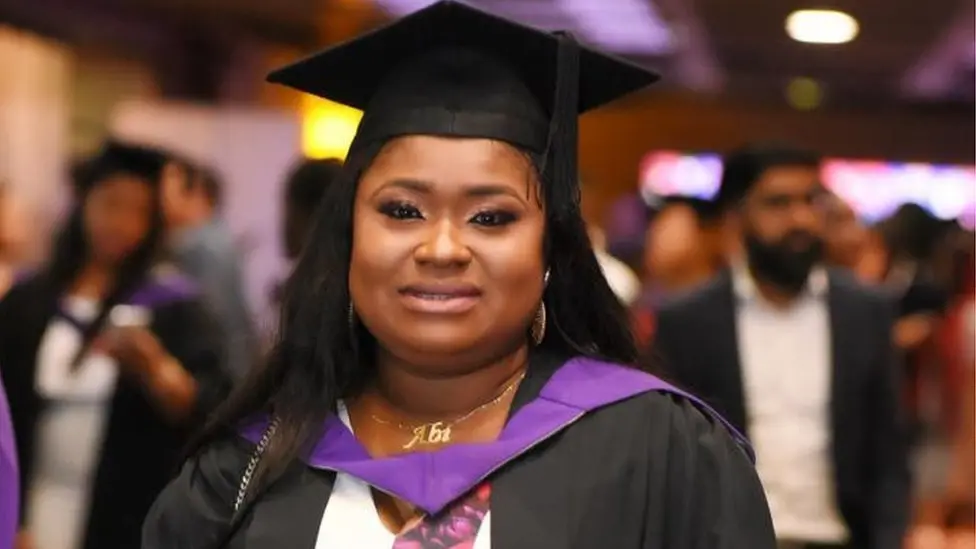
The fourth case is that of Abimbola Ajoke Bamgbose, a 38-year-old Dartford-based social worker and mother of three. Abimbola was fed up with being asked if she was pregnant and decided to recapture a love for her body by going for a BBL procedure in Izmir, Turkey. Her husband, Moyosore Olowo, believed she went on a girls’ trip with her friends, only to have his world rocked when she called him from Turkey in pain. Mr Olowo described his wife as ‘as near perfection as it’s possible to be,’ restating his belief that she did not need the surgery. However, body image is a personal affair. Abimbola died from a perforated bowel and peritonitis with multiple organ failure as a complication of liposuction surgery. And there are many other cases like these across countries, continents, races, and ages. Of women who went into the theatre in search of a perfect body and came out in a body bag.
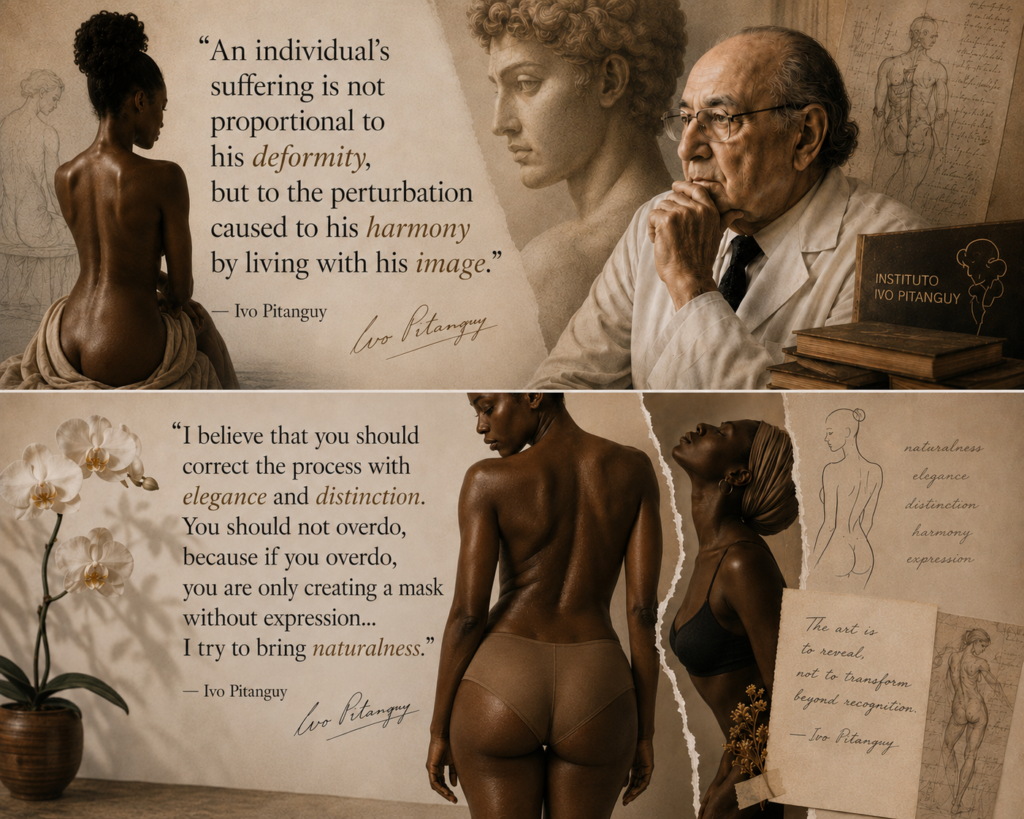
The second argument against the BBL hinges on body dysmorphia. Remember our wonder doctor Ivo Pitanguy? While he believed in the democratization of beauty and the need for aesthetic and reconstructive surgery, he, too, was aware that body dysmorphic disorder (BDD) was a real thing. In his memoir, he writes:
‘Many people have dysmorphia; they see themselves as much worse than they really are. Many people sublimate problems that are inside them and project them onto, say, their nose.’
He further advances that although beauty is important, ‘The most important thing is to have a good ego—then you don’t need an operation…’
While cosmetic surgery fixes genuine issues like cleft palates, hemifacial microsomia, Parry-Romberg syndrome, and diastasis recti, most cosmetic surgery procedures are an attempt to solve an inward problem using an outward solution. Body dysmorphia is not a recent phenomenon. It existed when people just compared themselves to their neighbors, the folks they saw in the grocery shop, and the images on the magazine covers. However, with social media, things took an insidious turn. As the algorithm bombards us with curated images of perfect-looking people, our inherent dissatisfaction with our natural features peaks. Consultant clinical psychologist Dr Anu Sayal-Bennett, a chartered member of the British Psychological Society, supports this when she states that the allure of celebrity culture and choreographed social media images are behind the trend for BBLs. Large-scale studies also show that cosmetic surgery doesn’t boost general appearance satisfaction and often worsens the patient’s mental health situation.
Body dysmorphia is a thread that runs through the aforementioned BBL fatality cases. This thread persists even with successful cases. The thing with body dysmorphia is that it makes a mountain out of a speck. It magnifies issues that no one—other than the victim—observes. Your loved ones think you are perfect just as you are, but your definition of perfect lives somewhere between the real and the surgically imagined. This is why many people end up getting multiple BBLs. There is always an interminable and infinite slew of problems to fix, snip, snap, tighten, and tuck. Cosmetic surgery becomes a temporary fix to an enduring mental health problem.
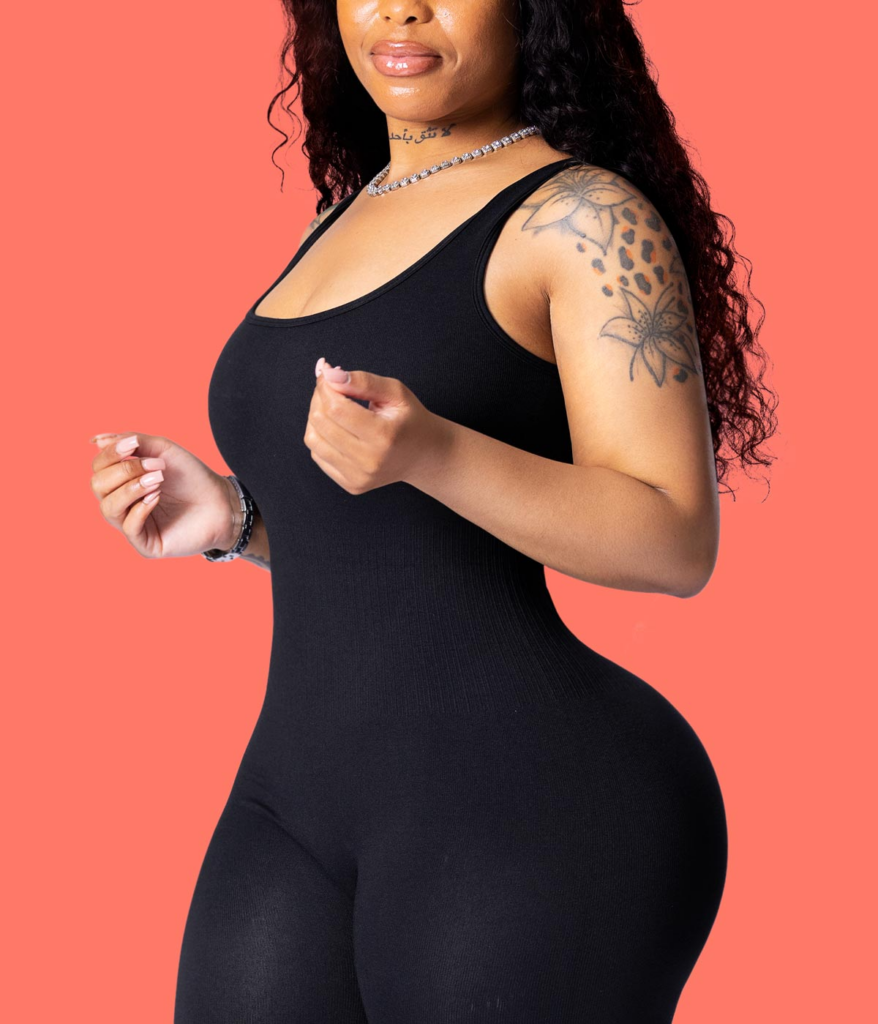
As a woman living in the 21st century, loving this delicate, hormone-sensitive body of ours can be laborious. Each gesture you make towards love is often countered by the images on social media, ads for cosmetic companies, and comments from family members and random people on the internet. Every waking moment is a fight between you and the world—both virtual and real—around you. And sometimes, the world’s voice drowns out every nice thing you have to say to and about your body. You view your body through society-prescribed lenses and find it wanting. In times like this, I like to remember that my body and my features are a love letter from my ancestors. A living ripple in the stream of time. The slant of my eyes, my skin color, the flare of my nose, the curve of my lips, my smile lines, the flow of my figure, and the coils of my hair are both a mosaic of my ancestry and a testament to how much I have lived. All these give us texture and context that are erased under a surgeon’s scalpel.
There’s this anecdote that people often shared about surgery when I was a teen. It was about a woman who became one of the most beautiful women alive after her surgery. Her husband was so enamored with her he married her in less than three months of knowing her. Their love was all sunshine and rainbows until a baby came into the mix. The husband was so confused when he beheld the baby. He was classically handsome with keen features, as was his wife. So the baby’s softly rounded features made no sense to him. That’s when the truth was revealed. The woman he fell in love with was a simulacrum, a collection of ideals that she believed was better than what nature had given her. This anecdote is a bit too simplistic. However, I believe its lesson is still important. For women who intend to have children, your relationship with your body is going to determine your child’s—especially your daughter’s—relationship with theirs. Multiple studies outline a clear generational map where daughters of women with body dysmorphia also struggle with their body image.
And this makes sense.
Children are living sponges, with their parents often serving as their template for life and relationships. Fixing your ‘flaws’ can often pass the subconscious and unconscious message that only the ‘perfect’ are worthy and deserving of love, care and attention. And this is dangerous conditioning because perfection is an illusion. The generational continuity of body image issues is clearly seen in family dynamics like that of the Kardashians/Jenners. Yes, these are businesswomen, and it’s possible they are just modifying their bodies to fit the current beauty ideal and sell more products. However, Kylie using cosmetic injectables while she was under 18 and getting her first cosmetic surgery—a breast implant—at 19 points to a deep dissatisfaction that started early in life. Now that Kylie has the gift of age, she has a different view on things. Recognizing the generational pattern of body dissatisfaction, Kylie said she’d be heartbroken if her daughter, Stormi, wanted to get her body done at 19:
‘She’s the most beautiful thing ever. I want to be, like, the best mom and best example for her. I wish I could be her and do it all differently, ’cause I wouldn’t touch anything.’
If only we could reverse time.
The way forward
The BBL is a symptom of a much bigger issue: Pervasive body dysmorphia worsened by unattainable beauty ideals and endemic unkindness/intense body shaming offline and online. We see this in the way celebrities are mocked for gaining or losing weight, or simply aging as nature intended. I believe the first step to healing is to realize that the public is like the Roman mob; nothing you do will ever please them. If you remain natural, they will tear you apart. This gets worse if you are a celebrity because everyone expects ‘fixing your body’ to be of the utmost importance. If you get a BBL done and live to show it off, they’ll still pick it apart. They will call it ugly and asymmetrical. They’ll troll you when it gets larger with weight gain or taunt you for being unable to keep a man despite your new figure. It is a case of damned-if-you-do, damned-if-you-don’t. I cannot tell you what to do with your body and your money. I am but a random stranger on the internet. If you feel compelled to get cosmetic surgery, that’s your prerogative, and I wish you well. However, I will say this: when you live in a world that is determined to hate every expression of you, loving your body becomes a radical and revolutionary act. So love it fiercely, blindly, and comprehensively.
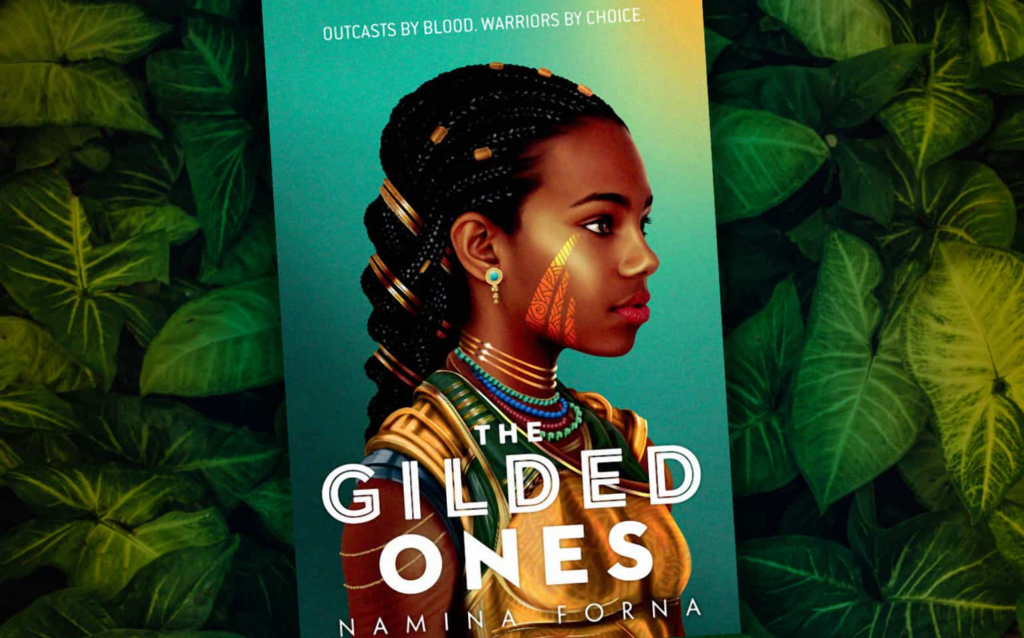
Hi lovelies. Whew! It’s sad that the 2026 World Cup has come to an end. I’d miss the memes, the trolling, and the anime reenactments. Congratulations to Spain and all the other participating countries. Lately, I have been in my book bag, and I am currently reading The Gilded Ones by Namina Forna. This book is an unputdownable work of fantasy that follows the eponymous gilded ones, outcast warrior women with feared golden blood. I felt a deep sense of loss each time I had to tear myself away from the book to write this article. Deka is not just a relatable protagonist; she is equal parts aspirational and inspirational. With an Emperor called Emeka and regions that mimic the continents of our world, this book is what real inclusion reads and feels like. Anywhere you see Namina, buy her cold malt and Ghana buns on my behalf.

On the movie front, I just finished the first season of Witch Hat Atelier, and man, am I sad! Wickedness in high places is anime studios giving us cliffhangers of Olympic proportions with no release date for the next season!
Sighs.
Anyway, what are you reading or watching at the moment? Let me know in the comments. Still on BBLs, which team are you batting for? Team Natural? Team Gym-is-the-only-way? Or Team snip-and-pump? Don’t forget to drop your thoughts and share with your friends and network.